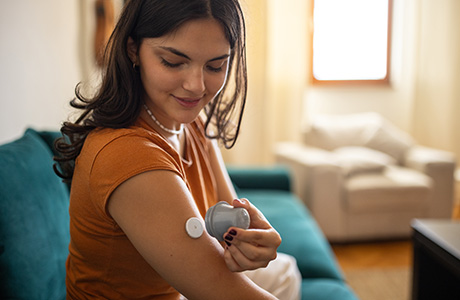
What is home infusion therapy?
Home infusion therapy brings high-quality treatment to your doorstep
When a condition can’t be treated with oral medication, your doctor may prescribe infusion therapy. The good news: You don’t have to stay in the hospital or make frequent doctor visits to receive this care.
Whether you’re managing a chronic illness or recovering from an acute condition, home infusion therapy brings hospital-level treatment to your doorstep — without compromising safety or effectiveness.
“Home infusion therapy is particularly beneficial if you have a chronic illness,” says Ronald Zsido, RPh, director of Geisinger’s pharmacy services. “It allows for ongoing management without frequent hospital visits or a major disruption to your daily life. It’s a convenient, comfortable and cost-effective alternative for patients needing long-term treatment.”
But what is home infusion therapy — and is it right for you? Let’s find out.
What is home infusion therapy?
Home infusion therapy, also known as home IV therapy, is when medications, fluids or nutrients are administered at home, rather than in a hospital or clinic. The medication can be delivered into a vein (intravenous), under your skin (subcutaneous or intramuscular) or into the membranes surrounding your spinal cord (epidural) for faster absorption and effectiveness.
“It’s a safe and effective alternative,” says Mr. Zsido. “Your home infusion team receives specialized training and accreditation that includes IV placement, safe drug administration, pump operation and emergency protocols to ensure the highest standards of patient care.”
What conditions does home infusion therapy treat?
Home infusion therapy can be used for a variety of conditions, including:
- Infections like sepsis, pneumonia or endocarditis that require IV antibiotics, antivirals or antifungals
- Immune disorders like Crohn’s disease, rheumatoid arthritis or multiple sclerosis
- Cancer (chemotherapy)
- Chronic pain (opioids)
- Dehydration or nutritional deficiencies (IV fluids and supplemental nutrition)
“Administering drugs intravenously allows for faster absorption so they can start working right away,” says Mr. Zsido. “Infusion therapy also ensures precise dosages for effective treatment, while minimizing side effects.”
Some people need daily infusions, while others need them far less often, like every few weeks or months.
Why home infusion therapy?
There are several benefits to home infusion therapy, including:
- Comfort and convenience. You receive treatment at home, meaning you don’t have to travel to healthcare facilities or sit in a waiting room. Overall, it’s less disruptive to daily routines and improves your quality of life.
- Improved outcomes. Because care comes to you, you’re less likely to miss it. And when you adhere to treatment plans, outcomes improve.
- Reduced healthcare costs. Home infusions are often more affordable than lengthy hospital stays or frequent outpatient facility visits. And most insurance plans cover home infusion therapy.
- Decreased risk of infection. Being treated at home, instead of in a hospital or clinical setting, decreases the risk of infection — which is especially important for immunocompromised patients.
“Having personalized care in a familiar setting is much less stressful and can improve your quality of life when you’re dealing with an illness,” says Mr. Zsido. “Treatments work around your daily schedule, instead of the other way around.”
How does home infusion therapy work?
Home infusion therapy is a collaborative approach between you, your doctor and a dedicated home infusion healthcare team, which may include infusion nurses, clinical pharmacists and registered dietitians.
You’ll work together to prepare your home and develop a personalized infusion therapy plan tailored to your needs.
The prescribed medication, equipment and other supplies will be delivered to your home. Before your first treatment, an infusion nurse will train you or your caregiver to administer the medication. They’ll also discuss potential side effects and answer any questions.
Or, if necessary, a nurse will visit your home to set up the equipment, explain the process, monitor your vital signs and administer the medication.
Home infusions can last anywhere from 30 minutes to several hours, depending on the medication type. However long it takes, you’ll have ongoing support and monitoring from your home infusion team.
“Home infusion therapy is a highly specialized service for patients that need continuous treatment, but want to maintain daily routines,” says Mr. Zsido. “The schedule is designed to fit your medical needs and personal life to offer flexibility and convenience.”
Next steps:
Learn how to shop safely with internet pharmacies
Find out if supplements can interact with prescription medications
Should you get vaccinated at the pharmacy?