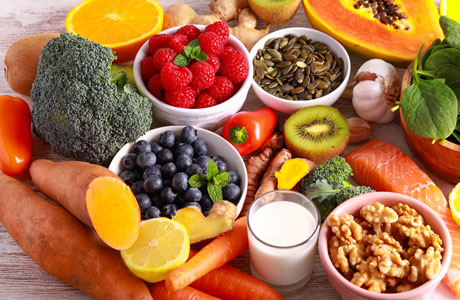
6 foods to boost your immune system
Eat well to stay healthy
While there are a few different ways to fight the common cold and the flu, your diet is one of your greatest assets.
“In cold weather and in dry air, it’s very easy for colds and the flu to spread,” says Conor Mulcahy, DO, internal medicine doctor at Geisinger. “You can try to limit your contact with people who are sick, but with many respiratory infections you’re contagious for a few days before symptoms develop. Your best plan of action is to get a flu shot, get at least 7 hours of sleep every night, wash your hands and eat a healthy diet. All these factors can help keep your immune system strong and keep you from getting sick.”
Here are 6 foods that can help boost your immunity and keep you healthy through cold and flu season.
1. Peppers and citrus
What do peppers and citrus fruits have in common? They’re great sources of vitamin C — a vitamin that can help support your immune system.
“When most people think about getting enough vitamin C, they tend to think of citrus fruits like oranges, mangos and grapefruits,” says Dr. Mulcahy. “Citrus fruits are a great source of vitamin C, but believe it or not, ounce for ounce, bell peppers contain more vitamin C than an orange.”
Want an even bigger dose of vitamin C? Try a kiwi. These fuzzy fruits are loaded with vitamin C and antioxidants.
2. Blueberries
These humble little fruits are also immune-boosting superfoods.
Blueberries contain flavonoids — a type of antioxidant that can help reduce damage to cells and boost your immune system. In addition, blueberries have plenty of vitamins, including vitamin C, vitamin A, potassium, dietary fiber and manganese.
Eat this versatile berry plain by the handful. Or sprinkle a few on top of your Greek yogurt or oatmeal for an extra boost. Not a fan of plain berries? Add them to an immune-boosting smoothie to feel your best.
3. Green tea
“Green tea has been used for thousands of years as a type of natural medicine,” Dr. Mulcahy says. “One of the reasons researchers think it’s so good for you is because it contains a substance known as catechin, which helps maintain your immune system, as well as a powerful antioxidant."
Hot green tea is a common choice, but tea can also be blended into healthy fruit and vegetable smoothies.
4. Mushrooms
While they may not be everyone’s favorite food, evidence suggests mushrooms can help boost your immune system.
Nutritional benefits of mushrooms include the ability to boost the immune system and combat many diseases by providing important vitamins, minerals and enzymes.
Mushrooms contain vitamin D, which can help keep your immune system strong. Varieties like shiitake, maitake and reishi are particularly known for a high nutrient content.
5. Almonds
Nuts, particularly almonds, contain many different types of nutrients, such as protein and vitamin E. While vitamin E isn’t as important to a strong immune system as vitamin C, it is still needed to keep your immune system healthy. A half cup of almonds provides your daily recommended amount of vitamin E.
Nutrients in almonds include:
- Vitamin E
- Calcium
- Phosphorous
- Iron
- Magnesium
- Selenium
- Copper
- Niacin
Compared to all other nuts, they are richer in nutrients and beneficial components.
6. Cruciferous vegetables
Remember when your mother told you to eat your vegetables? She was right. Cruciferous vegetables are packed full of vitamins A, C and E as well as antioxidants and fiber. By adding just a few of these nutrient-rich greens into your diet, you can help boost your immune system year-round.
Some vegetables in the cruciferous family are:
- Bok choy
- Broccoli
- Brussels sprouts
- Cabbage
- Cauliflower
- Kale
They’re healthiest raw or lightly cooked. Dip them in some hummus, add them to a stir fry, make a smoothie or just serve them as a side dish.
Be healthy to stay healthy
When it comes to protecting yourself against the flu and other illnesses, keeping your immune system strong is key. Besides packing your plate with immune-boosting foods, practice these healthy habits to stay well:
- Get enough rest
- Exercise regularly
- Stay current with recommended vaccines
- Wash your hands often
- Reduce stress
Practicing healthier habits will help you feel your best all season long.
Next steps:
Get your flu shot at Geisinger
Cold vs. sinus infection: What's the difference?
Learn the benefits of an anti-inflammatory diet